Do you feel constant pain and heaviness in your legs that no diet or physical exercise seems to resolve? Many women arrive at my office carrying not only the physical weight of their symptoms but also the emotional exhaustion of seeking answers for years. I know the frustration of trying to buy boots that won’t zip up the calf, or feeling completely disconnected from your own body. As a plastic surgeon, the very first thing I do is actively listen to your story. We know that navigating the journey of this condition requires immense patience, a highly accurate diagnosis, and a fully structured, individualized plan. That is exactly why understanding the critical importance of post-operative care for lipedema, alongside a rigorous pre-operative preparation, is fundamental to achieving sustained, realistic results.
The outcome of your plastic surgery does not depend solely on what happens inside the operating room. Having trained at the University of São Paulo, I realized early in my career that surgical success and proper recovery are deeply intertwined with your daily habits. I use the tools and foundations of lifestyle medicine in my practice as a plastic surgeon to ensure that we approach your body holistically. Therefore, we treat patients with lipedema and those seeking aesthetic improvements by adjusting nutrition and habits long before we even think about the scalpel. If you are looking for technical excellence combined with genuine, comprehensive health care, this guide will walk you through everything you need to know about our approach.
What is lipedema and why does it require a comprehensive approach?
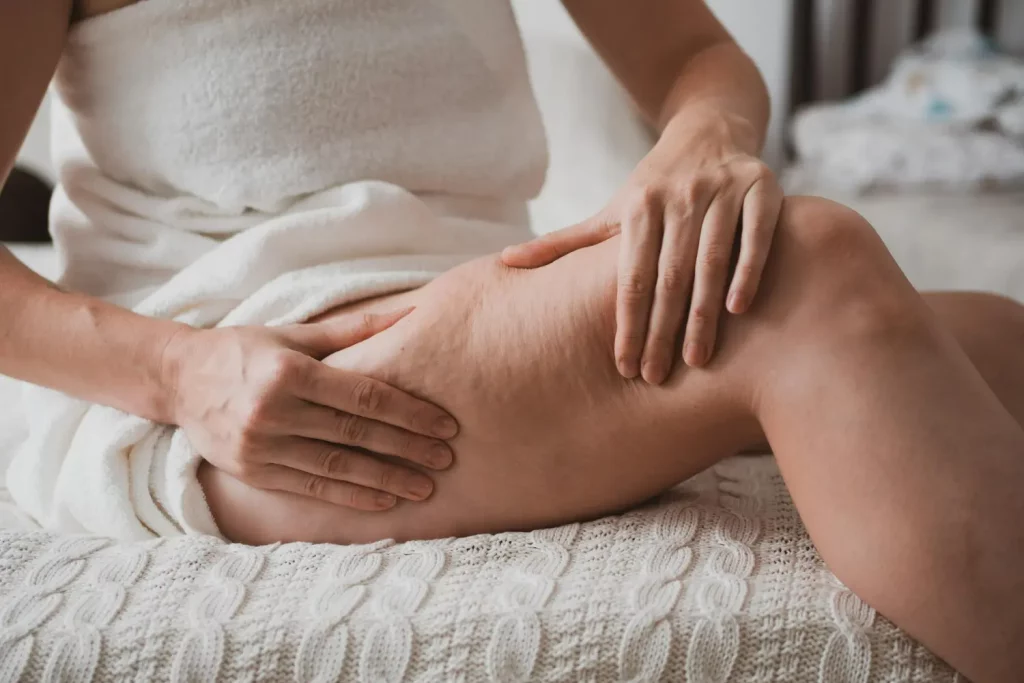
To fully understand the treatment, we must first dispel some prevalent myths about the pathology itself. Lipedema is not simply a disease of the adipose tissue, nor is it a consequence of mere weight gain. It is, fundamentally, a connective tissue disease in which the adipose tissue is one of the primary components affected. This means that the condition is not just about a greater accumulation of adipocytes; there is significantly more inflammation, more fibrosis, more flaccidity, more ligament laxity, and a substantially higher risk of orthopedic complications.
Because it is a connective tissue disorder, the approach must be comprehensive. When evaluating a patient, I always explain that there is no magical treatment for lipedema and there is no single highly effective intervention that will solve everything overnight. Instead, there are many small, targeted interventions that, when combined, can yield a very good result. Pain is the most common symptom, bringing immense discomfort and reducing the quality of life. However, it is vital to note that pain is not present in 100% of cases. It affects about 86% of patients, which means there is lipedema without pain in 14% of cases. The absence of pain does not rule out the diagnosis, but there must be symptoms. Patients with disproportionate fat distribution but absolutely no symptoms do not have lipedema.
A classic clinical sign we look for during the physical examination is the tourniquet sign, where the abnormal fat accumulation abruptly stops at the ankles or wrists, creating a distinct physical boundary. Understanding these nuances justifies the importance of follow-up with a professional who has extensive experience in the field of lipedema, to provide options that make true sense for each individual patient.
What does the conservative treatment for lipedema entail?
Before any surgical intervention is considered, we must focus on the conservative treatment for lipedema. This phase is about reducing systemic inflammation, managing pain, and preparing the tissue for any potential future procedures. As a plastic surgeon focused on lifestyle, I strongly emphasize that conservative management is not optional; it is the absolute foundation of your comprehensive health.
Physical exercises are fundamental. They must have controlled intensity and volume, and it is necessary to evaluate individual adaptation and avoid high impact, which can aggravate joint pain due to ligament laxity. Water exercises are excellent options due to the hydrostatic pressure acting as a natural lymphatic massage, but they are definitely not the only ones recommended. Weightlifting, pilates, cycling, yoga, and walking are also excellent options that help build muscle mass and improve lymphatic return. The goal is consistent movement that does not exacerbate inflammation.
Nutrition also plays a crucial role. An anti-inflammatory nutritional approach helps mitigate the swelling and discomfort associated with the diseased connective tissue. Our multidisciplinary team for lipedema treatment at the clinic includes specialized nutritionists who work closely with you to identify dietary triggers that may worsen your symptoms. Remember, there are no extreme diets that cure the condition, but adjusting your nutritional intake is a powerful tool to manage the inflammatory load on your body.
When is lipedema surgery recommended?
The decision to proceed with surgery is never taken lightly. Lipedema surgery is recommended when conservative treatments have been optimized but the patient still suffers from significant pain, heaviness, mobility limitations, and a severe reduction in quality of life. It is crucial to have extremely realistic plastic surgery expectations. The primary goal of the surgery is functional improvement: reducing pain, halting the progression of the disease, and improving mobility. Aesthetic improvement is a secondary, though very welcome, benefit.
It is important to address the reality of health insurance in Brazil regarding this procedure. Lipedema was recently recognized as a disease by the ICD-11 (International Classification of Diseases). However, health plans pay for specific procedures. In this case, the surgical treatment is liposuction, and liposuction is not on the ANS (National Health Agency) list, which regulates the procedures required to be covered by health plans. Therefore, to date, health insurances do not cover this surgery. I discuss this openly with my patients to ensure complete transparency and financial predictability.
How does the surgery and treatment for lipedema work?
The surgery and treatment for lipedema primarily involve specialized liposuction techniques designed to remove the diseased fibrotic fat while preserving the delicate lymphatic network. Because lipedema fat is highly fibrotic and resistant, the surgical technique must be meticulous. I perform arm and thigh liposuction, as well as procedures on the calves and other affected areas, depending on the patient’s specific presentation.
During the procedure, I utilize specific technologies for skin retraction. Because the connective tissue is inherently weak and prone to flaccidity, merely removing the fat can leave loose skin. By applying these advanced retraction technologies during the surgery, we encourage the skin to adhere better to the new body contour. I never promise perfection, but with the right treatment, it is often possible to live without pain and feel much more comfortable in your own skin.
What is involved in the pre and post-operative follow-up for lipedema?
This is where the true transformation is consolidated. The post-operative care for lipedema is arguably as important as the surgery itself. A successful outcome requires a strict pre and post-operative follow-up for lipedema plan.
Before the surgery, we optimize your nutritional status, ensure your physical activity routine is appropriate, and manage any metabolic factors. Post-operatively, the care is intense and highly structured. In the immediate post-operative period, managing swelling and preventing complications is our top priority. You will be required to wear specific compression garments that help reduce edema and support the tissue as it heals.
Manual lymphatic drainage performed by specialized physical therapists is non-negotiable. This therapy helps evacuate the excess fluid and cellular debris resulting from the surgical trauma. Furthermore, we monitor your recovery closely, gradually reintroducing physical activities. You will start with light walking and eventually progress back to weightlifting or pilates as your body permits. The recovery is a marathon, not a sprint, and having a multidisciplinary team to guide you through the emotional and physical ups and downs is essential.
Can lipedema coexist with other conditions requiring post-weight loss body contouring?
A very common question is the relationship between lipedema and obesity. Let me be clear: lipedema and obesity are completely different diseases. One does not turn into the other. However, it is extremely common for the two to coexist. The fat accumulation of lipedema and the associated symptomatology, such as pain and heaviness in the legs, can lead to deformities and a much more sedentary lifestyle. These factors can significantly aggravate general weight gain.
Furthermore, lipedema is not an exclusive condition of obese women. Thin women can indeed have the condition and are often extremely symptomatic. Weight gain is not a necessary condition to make the diagnosis. In men, lipedema is extremely rare and is generally associated with hormonal problems or other severe systemic pathologies; this condition is predominantly female.
For patients who have experienced massive weight loss, whether through bariatric surgery or lifestyle changes, the resulting skin flaccidity and residual lipedema fat require a tailored reconstructive approach. In these cases, post-weight loss body contouring is essential. This may involve reconstructive breast and abdomen surgery, alongside high-performance liposculpture, to restore the body’s natural harmony. My approach treats the patient as a whole, addressing both the pathological fat and the reconstructive aesthetic needs, always prioritizing safety and long-term comprehensive health.
How does our multidisciplinary team for lipedema treatment work at the Ibirapuera clinic?
I have the honor of serving as the Manager and Clinical Director of the new Instituto Lipedema Brasil Ibirapuera unit, opened in 2024. Our clinic was designed to be a safe haven for women seeking a definitive and respectful diagnosis. We offer a global multidisciplinary team comprising specialized nutritionists, endocrinologists, physical therapists, and surgical staff, all operating under the same roof.
Because we treat patients from all over the country and abroad, the Ibirapuera unit is strategically located close to Congonhas airport, ensuring easy access for out-of-state patients arriving in São Paulo. For those who cannot visit immediately, we maintain a strong presence in telemedicine, allowing us to start your conservative treatment and pre-operative planning remotely. This hybrid approach guarantees that distance is never a barrier to receiving high-quality, comprehensive care.
How to choose the best lipedema surgeons in Brazil?
Choosing the right professional is a deeply personal and critical decision. The ideal doctor for this specific surgery is a plastic surgeon with extensive experience in lipedema. You should look for someone who prioritizes active listening, comprehensive health, and extreme sincerity regarding the limitations of the results.
I am proud to say I am a USP-trained plastic surgeon, and I was one of the first doctors to perform this surgery in the country in 2015, alongside Dr. Fábio Kamamoto. Over the years, I have seen the profound difference that a respectful, realistic, and multidisciplinary approach makes in a patient’s life. When looking for the best lipedema surgeons in Brazil, do not fall for promises of miraculous cures or guaranteed perfect bodies. Seek an experienced professional who understands the connective tissue pathology and who will be by your side for the entire journey, from the initial consultation through the entire post-operative recovery.
Why trust this content?
- This article was written based on the rigorous scientific guidelines of the Brazilian Society of Plastic Surgery (SBCP) and the American Society of Plastic Surgeons (ASPS).
- The clinical protocols discussed are aligned with the latest research from the Lipedema Foundation and the standardized practices of Instituto Lipedema Brasil.
- The content is entirely authored and reviewed by me, Dra. Juliana Reis (CRM-SP 120293 | RQE 47596), ensuring that the information follows the safest, most realistic medical protocols in modern plastic surgery, grounded in over a decade of specialized experience since pioneering the surgical treatment in Brazil in 2015.
Frequently Asked Questions (FAQ) about Lipedema Treatment and Surgery
1. Do all patients with lipedema feel pain?
No. While pain and heaviness are the most common symptoms, approximately 14% of patients do not experience pain. However, there must be some clinical symptoms (such as easy bruising, extreme sensitivity to touch, or severe swelling) to confirm the diagnosis. A completely asymptomatic disproportionate fat distribution is not lipedema.
2. Can men develop lipedema?
Lipedema in men is extremely rare. When it does occur in men, it is generally associated with significant hormonal problems or other underlying pathologies. It is overwhelmingly a predominantly female condition.
3. Will my health insurance cover the surgery?
Currently, health insurances do not cover this surgery. Although recognized as a disease by the ICD-11, the surgical treatment is liposuction, which is not included in the ANS (National Health Agency) mandatory coverage list in Brazil.
4. Is it true that thin women have a more pronounced disproportion?
It is not true that thin women have a more pronounced disproportion, but they can certainly have the disease and be extremely symptomatic. The condition affects women of various body mass indices.
5. What is the “tourniquet sign”?
The tourniquet sign is a clinical marker where the abnormal fat accumulation suddenly stops just above the ankles or wrists, creating a visible “cuff” or step-off. It is a critical finding during the physical examination.
6. What exercises should I do after surgery?
Your return to exercise will be gradual and guided by our team. Initially, light walking and breathing exercises are recommended. As you heal, you can progress to water exercises, weightlifting, pilates, cycling, or yoga. There is no single mandatory exercise; the key is consistency and avoiding excessive impact while you recover.
7. How long does the post-operative recovery take?
The immediate post-operative phase, where swelling and bruising are most prominent, lasts about 4 to 6 weeks. However, the complete tissue remodeling, reduction of total edema, and final contouring can take anywhere from 6 to 12 months. Strict adherence to lymphatic drainage and compression garments is vital during this period.
If you seek technical excellence combined with real, empathetic care for your overall health, do not navigate this journey alone. Whether you are dealing with the painful symptoms of a connective tissue disorder or seeking safe post-weight loss reconstructive surgery, schedule your in-person evaluation at our Ibirapuera unit or book an online telemedicine consultation. Let us map out the most sincere, realistic, and effective plan for your specific case.